
When the Cargo Is Alive
An overturned livestock trailer may look like a familiar heavy-duty recovery problem from the outside, but its cargo changes what crews must consider before moving it. Animals can shift, gates and panels may be damaged, and an opening that would be routine on another trailer can create a new problem. During Highway 38 heavy towing, the plan has to account for both damaged equipment and an enclosure holding live animals.
Containment is one of the first concerns, not something to address only after the trailer is upright.
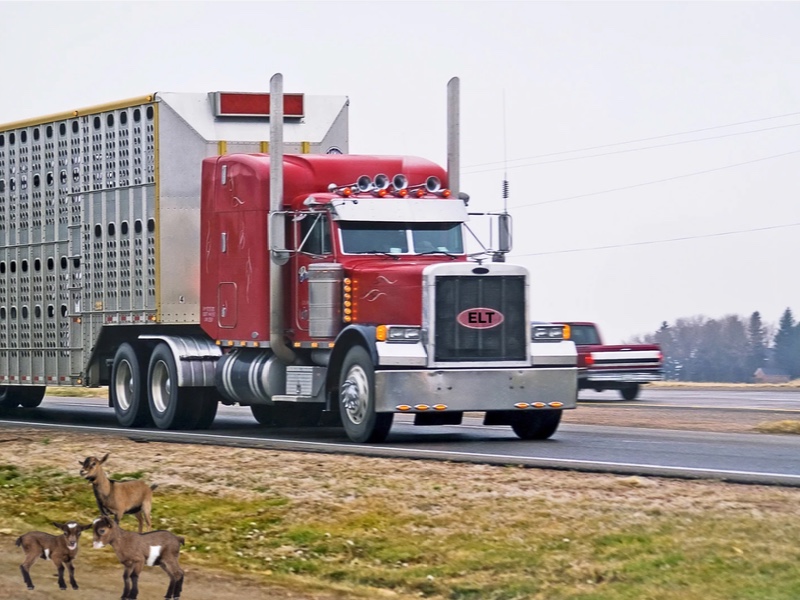
A Damaged Trailer Is Still an Enclosure
A livestock vehicle is built to transport animals while keeping them separated from the surrounding roadway. Its doors, walls, flooring, and internal gates all contribute to that purpose.
A collision or rollover can change those parts without leaving an obvious opening. A gate may no longer close properly. A side panel can be distorted, or animals may be crowded against an area responders need to reach.
Before the trailer changes position, crews and the appropriate animal-handling personnel need to consider whether the enclosure will remain secure as it moves.
Opening the Trailer Is Not a Simple Solution
If livestock must be removed, opening a door does not solve the containment problem. It changes it.
Animals leaving a damaged trailer need a controlled place to go, suitable handling, and transportation. Depending on the incident, animal handlers, veterinarians, law enforcement, fire personnel, or other authorities may be involved. The towing operation must fit around those arrangements rather than proceed independently.
This can take time, even when recovery equipment is ready to work.
Uprighting Can Change the Interior
A trailer may be stationary during the initial assessment, but its load may not remain in the same position once lifting begins. As the angle changes, animals may move or adjust their footing, changing where weight is concentrated.
Several questions deserve attention before a lift:
- Are the animals still contained?
- Have doors or internal gates been damaged?
- Where is the livestock concentrated?
- Can the animals remain aboard during movement?
- Is another livestock trailer needed?
- What happens if the existing enclosure cannot be maintained?
The answers can influence livestock trailer recovery near Highway 38. The trailer’s structural condition matters, but so does what the animals may do as the trailer moves.
The Load May Change During the Lift
Ordinary freight can shift during heavy-duty recovery. Live cargo adds another possibility: movement in response to the recovery itself.
As an overturned trailer begins coming upright, the floor changes angle beneath the animals. During tractor-trailer recovery around Highway 38, crews have to consider that weight distribution may change from the beginning of the lift to the end.
That is why the condition of the cargo and the condition of the trailer cannot be assessed separately.
What Happens After the Animals Come Out?
If livestock has to be transferred, the incident effectively becomes two transportation tasks. The animals need appropriate onward transport, while commercial truck recovery near Highway 38 still has to address the tractor and damaged trailer. Even after unloading, structural or running-gear damage may prevent the trailer from leaving normally.
Upright Is Not the Same as Ready to Leave
Getting the trailer back on its wheels is a milestone, not necessarily the end of the response. Doors, gates, flooring, tires, axles, and suspension may still be damaged. A trailer that stands upright is not automatically fit to carry animals again.
With heavy truck towing on Highway 38, the tractor and trailer may need to be transported separately from the livestock. That decision depends on the equipment’s condition and the arrangements made for the animals.
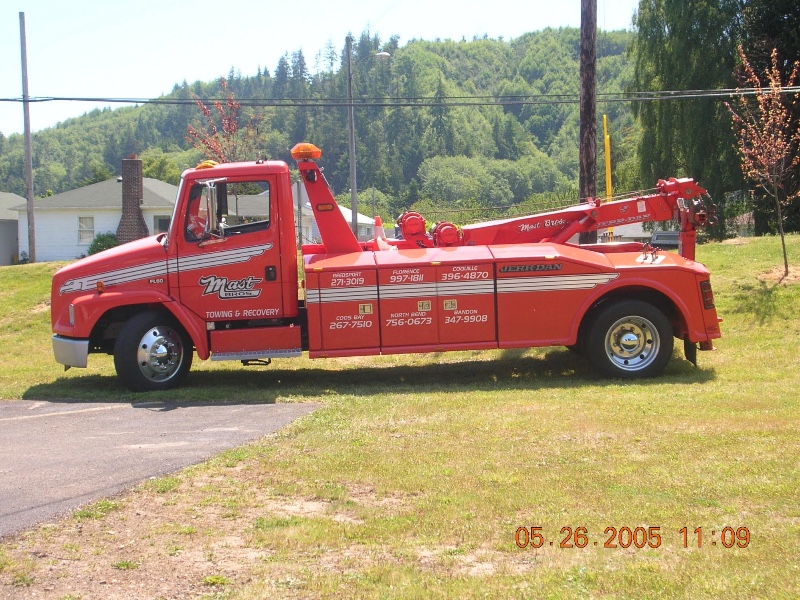
Mast Brothers Towing & Recovery for Highway 38 Heavy Towing
Mast Brothers Towing & Recovery serves the Oregon Coast and southwest Oregon with towing and recovery services, including heavy-duty work. When a commercial truck or trailer cannot continue its trip, the job may involve recovering damaged equipment, preparing it for removal, and determining how it can be transported. Livestock trailer incidents are unusual because decisions involving the cargo can directly affect when and how the damaged equipment is moved.
For Highway 38 heavy towing, the work may require planning around containment, changing weight distribution, and the condition of the trailer before, during, and after recovery. When the cargo is alive, moving the truck is only one part of resolving the incident.
Frequently Asked Questions
Why is livestock trailer recovery different from ordinary trailer recovery?
Livestock can move during recovery, changing how weight is distributed inside the trailer. Damaged gates, doors, or panels may also create containment concerns.
Do animals have to be removed before an overturned trailer is uprighted?
Not necessarily. The decision depends on the animals’ condition, the trailer’s damage, and the assessment of qualified responders and animal-handling personnel.
Who handles livestock during a truck accident?
Depending on the situation, animal handlers, veterinarians, emergency responders, and livestock transportation providers may be involved. Their responsibilities are separate from the towing operation.
Can livestock move inside a trailer during uprighting?
Yes. As the trailer changes angle, animals may shift position or attempt to regain their footing. That movement must be considered when planning the lift.
Can an uprighted livestock trailer be driven away?
Not automatically. The trailer may have damaged axles, suspension, tires, flooring, or structural components that make it unsuitable for travel.
What happens if a livestock trailer cannot be driven after recovery?
The damaged equipment may require heavy-duty towing or transport. Any livestock still aboard must be handled through appropriate animal transportation arrangements.