
Prevention Is a Routine, Not a One-Time Fix
Mast Brothers got started because three brothers running a body shop got tired of watching customers overpay for basic tows. So preventing an expensive problem before it starts has always been part of how our company thinks. Because the exact same logic applies to a DPF: catching it early costs a lot less than waiting for a derate, and it is a big part of why we get called out for Coquille semi recovery less often than you might expect for the miles our customers put in.
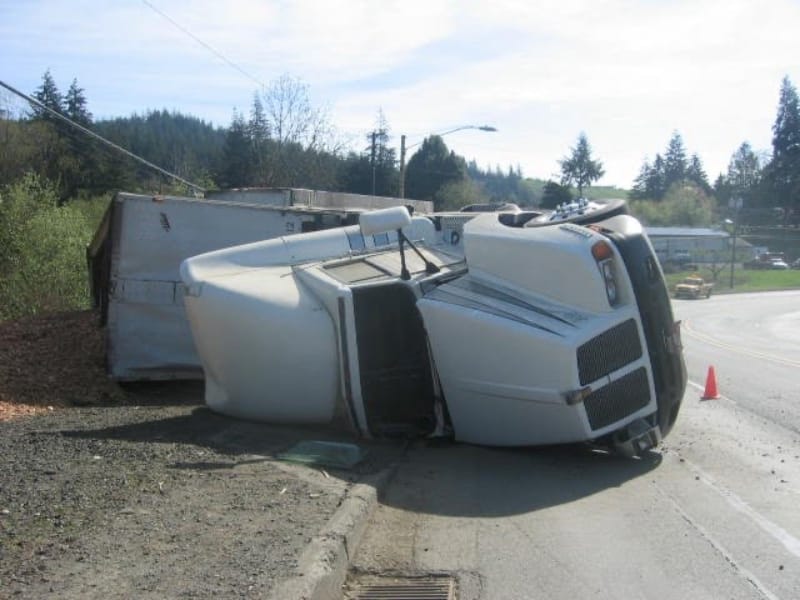
A Simple Routine That Keeps a DPF Working
Turning that into a habit is easier when it is broken into a routine instead of one big rule to remember, especially for drivers running the same stretch of Highway 101 or the back roads between Coos Bay and Coquille day after day. A truck that spends most of its time on those routes builds soot at its own pace, and the habits that work for a long-haul rig do not always translate directly.
A few habits, repeated on a regular schedule, cover almost everything that leads to a derate.
- Daily: address any dashboard light for the DPF the same day it appears, and give the truck enough highway time to let regeneration finish
- Weekly: check tire pressure, confirm cargo is secured, and listen for a rougher idle than usual
- Before a long haul: get fuel economy and regeneration frequency checked if either has seemed off lately
None of these take long, and together they cover almost every path to a derate, which matters most on routes where the nearest shop is not exactly around the corner. A driver who runs through this short list before heading out rarely gets surprised by a warning light later in the day.
What Happens When the Routine Slips
Skip enough of these steps and soot keeps building past what regeneration can clear on its own, which is exactly the kind of pattern behind a Coquille semi recovery call more often than drivers expect. Once that happens, the truck’s computer forces a derate, cutting power and speed to protect the engine until the problem gets addressed.
That is usually the point where a routine trip turns into a call for Coquille semi recovery. And it is often traceable back to a warning that sat unaddressed for too long.
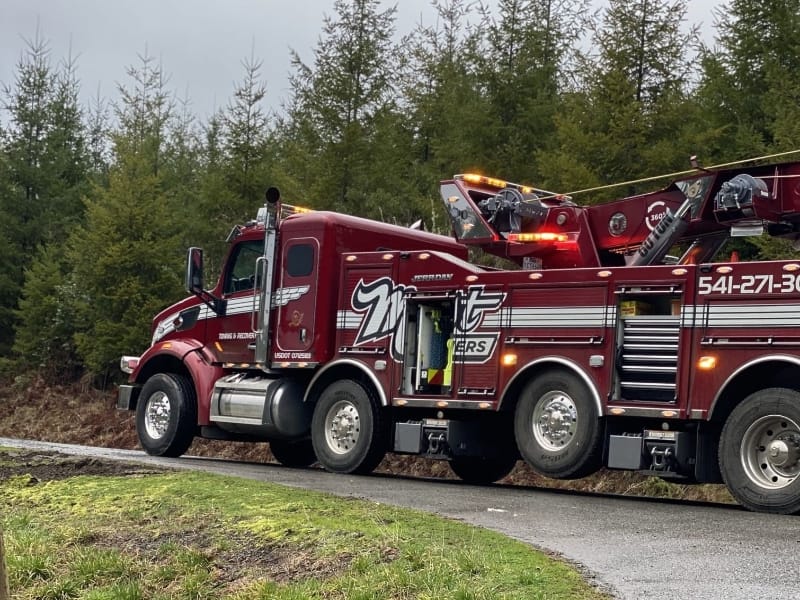
Mast Brothers Towing: Coquille Semi Recovery Since 1969
Mast Brothers has served Coos Bay, Coquille, North Bend, Reedsport, Myrtle Point, Bandon, and Elkton since 1969. It all started with three brothers buying their first tow truck to keep their body shop customers from overpaying for towing. Since then, answering Coquille semi recovery calls has been part of the job ever since. That same family-run approach is still how we handle every Coquille semi recovery call today, backed by a fleet that has grown to 28 light, medium, and heavy wreckers.
Our operators are certified through the Towing & Recovery Association of America and WreckMaster. We’re the only WreckMaster certified team within 75 miles. Every team member keeps up with continued education courses on top of that certification. We have an in-house dispatch that runs 24/7 because breakdowns do not wait for business hours, and that training is what shows up when a call turns into a full Coquille semi recovery instead of a routine tow.
FAQs
How often should a trucker check for DPF problems?
Check the dashboard every day and pay attention to changes in regeneration frequency. Small warning signs are easier to address before power starts dropping.
Can regular highway driving help a DPF regenerate?
Yes. Sustained driving can help the system reach the exhaust temperatures needed for regeneration, depending on the truck and filter condition.
What does frequent regeneration usually mean?
It can mean the filter is collecting soot faster than normal. Changes in driving habits or an emissions system issue may be contributing.
Why does a derate reduce truck power?
The truck’s computer limits performance when it detects a serious emissions or engine issue. That restriction helps prevent further damage while the problem is addressed.
Should I keep driving after a DPF warning appears?
Do not ignore it. Follow the truck manufacturer’s guidance and have the system checked if the warning does not clear.
What should I do if the truck enters derate during a trip?
Move to an appropriate stopping location and review the warning messages. If the truck cannot continue normally, arrange service instead of trying to push through the route.