
When Winter Sets In, Fender Benders Follow
Winters in Oregon can be unpredictable, with temperatures often plunging into the mid-20s and weather conditions swinging between sheets of rain, icy roads, and thick morning fog. The chill makes every morning commute tense, and that’s when fender benders and the need for Coos Bay collision repair often arise. You’re navigating slick streets in Coos Bay, only to have a truck fishtail at a stop sign, or a moment’s distraction leads to a bumper crumple in a crowded parking lot. Staying safe means more than just luck. Because there’s a lot you can do with smart preparation and knowing what might go wrong.
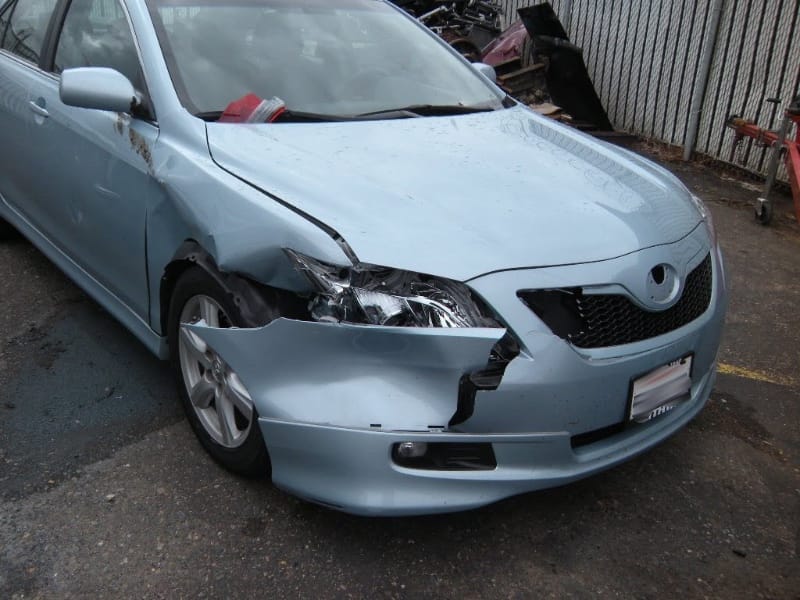
Why Collisions Spike When the Weather Turns
Slippery roads and low visibility set the stage for unexpected impacts. Brake times jump on icy surfaces; tires lose grip in cold weather, rain brings out hidden oil slicks. Even experienced drivers find winter challenging. Vehicle stopping distance can double overnight, and black ice is the wild card no one sees coming. Beyond the weather, holiday travel, crowded lots, and earlier darkness all fuel demand for Coos Bay collision repair services.
What Can Go Wrong? Common Winter Collision Scenarios
- Rear-endings at intersections as cars slide through red lights
- Sideswipes when lanes aren’t clearly marked in fog or snow
- Minor fender benders from drivers overcorrecting on slick pavement
- Parking lot dings during rush hour shopping sprees
Prevention 101: Smart Moves for Safer Winter Driving
The single best step is preparation. Make sure your tires have sufficient tread and are properly inflated for the colder weather. Slow down and increase your following distance, especially when temperatures drop and roads look wet or frosty. Before each drive, clear your mirrors and windows of condensation or ice. If visibility drops, switch on your headlights. Watch for changing weather and know the spots in Coos Bay most prone to sudden slick conditions.
Defensive Driving for Collision-Free Winter Trips
Always anticipate longer stopping distances, especially on hills and curves. Brake early and gently. In traffic, leave extra space behind big vehicles, they often block your view of hazards ahead. If you skid, steer into the slide and avoid slamming the brakes. These habits help keep you safe and ideally out of any situation requiring Coos Bay collision repair.
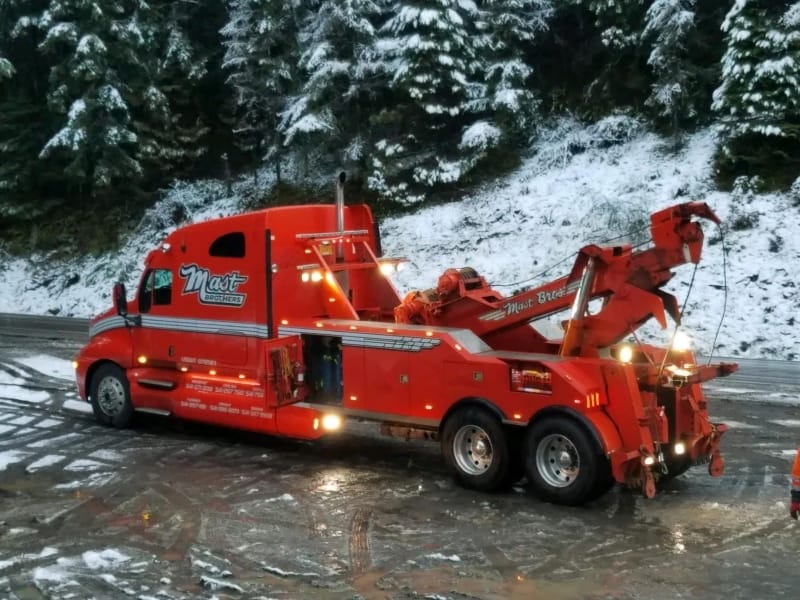
If Anything Goes Sideways Mast Brothers’ Coos Bay Collision Repair Can Help
No matter how cautious you are, winter sometimes wins. Mast Brothers Towing invests in people and technology, making Coos Bay collision repair as stress-free and precise as possible. Our technicians are ICAR trained and receive continuous education in the latest repair methods and equipment. Factory certification for all major brands means every repair is backed by deep expertise.
We value transparency and accountability, issuing a written lifetime warranty card with every bodywork and paint repair. For frame damage, you’ll benefit from a computerized electronic measuring system, guaranteeing your vehicle’s specs are spot-on both before and after repairs, that’s a signature of leading Coos Bay collision repair. Winter creates plenty of hazards, but with the right plan and a trusted Coos Bay collision repair team, you can drive with peace of mind all season long.
FAQ
Why do collisions increase during winter?
Collisions spike in winter due to slick roads, decreased visibility, and longer stopping distances. Rain, ice, and fog all make driving riskier, especially during commutes and holiday traffic. Taking extra precautions and preparing your car can help reduce your chances of an accident.
What safety features help avoid winter accidents?
Modern cars come equipped with features like anti-lock brakes, traction control, and electronic stability systems. These can improve vehicle control on icy or wet roads, but they’re no substitute for careful driving, slowing down, and leaving extra space between vehicles.
How can I prepare my car for winter driving?
Before the season, inspect tire tread, install winter tires if possible, check fluid levels, and ensure your battery is strong. Keep visibility clear by maintaining wipers and defrosters. Regular maintenance lowers breakdown risk and boosts safety.
What should I do immediately after a collision?
After any collision, stay calm and check for injuries. Move vehicles out of traffic if possible, call for help, and exchange insurance information. Document the incident with photos and notes. Reporting accidents quickly can ease repair and claims processes.
Does insurance cover all collision repairs?
Most insurance policies cover repairs resulting from covered accidents, minus your deductible. Coverage varies for cosmetic, mechanical, or frame damage. Always double-check your policy details and talk with your repair shop if you have questions.
How long does collision repair usually take?
Repair timelines depend on damage severity, parts availability, and shop workload. Minor cosmetic fixes may wrap up in days, while frame or mechanical repairs can take weeks. Getting an estimate and staying in touch with your shop helps manage expectations.