
When Walls, Ramps, and Clearance Define the Job
Sometimes the job takes us to places drivers never expect to need a tow. Parking garages, basement levels, loading bays, and narrow alleys all come with their own rules. In these environments, Allegany towing becomes less about pulling power and more about control, planning, and patience. Low ceilings, sharp turns, and concrete walls leave no room for improvisation. Every move our operator or tow truck makes has consequences for a vehicle’s body, wheels, and drivetrain.
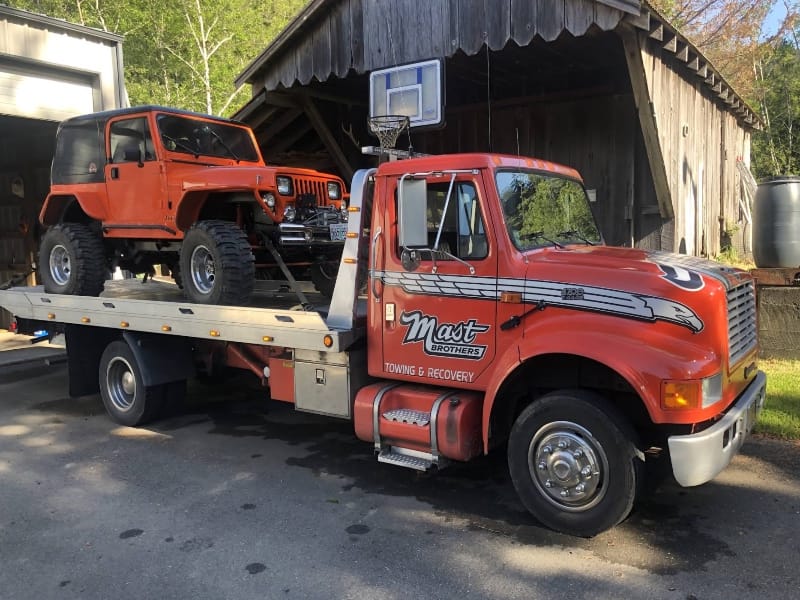
Reading the Space Before Touching the Car
Before we even make contact with a vehicle, we read the environment around it. Ceiling height, ramp angles, curb edges, and floor transitions all shape how a recovery unfolds. A garage that looks simple from the street can turn complicated one level down.
We also pay attention to how the vehicle sits. A car stuck nose first into a corner or parked tight against a pillar changes how we position ourselves. These details guide every decision we make inside confined spaces.
Low Clearance Garages Demand a Different Mindset
Garages with height limits force us to think flat and compact. We choose setups that stay well below posted clearance numbers and keep movement smooth. Sudden lifts or steep angles risk scraping panels or stressing suspension parts.
We also factor in sprinkler lines, signage, and lighting fixtures. These overhead obstacles often sit lower than the concrete ceiling. Avoiding them protects both the vehicle and the property.
Tight Alleys Leave No Room for Error
Alleys narrow down quickly once mirrors and door handles enter the picture. We line up carefully and keep everything square to the vehicle. Slow steering inputs help prevent tire scrub and unwanted contact with walls.
In many alley recoveries, we limit turning until the vehicle is fully free. That approach keeps wheels straight and reduces strain on axles and steering components. Small adjustments add up to a cleaner outcome.
Protecting the Drivetrain During Confined Recoveries
Drivetrain stress often hides until days after a bad tow. Inside garages, uneven floors and sharp transitions can load components in ways drivers never feel. We control speed and angle to keep forces balanced.
Flat movement and consistent support matter here. By keeping the vehicle level and aligned, we reduce the risk of binding joints or overloading mounts. That attention saves drivers from follow up repairs later.
What We Focus On in Confined Spaces
- Measuring height and width before positioning
- Keeping the vehicle level throughout movement
- Limiting sharp turns until clear of obstacles
- Watching overhead fixtures as closely as floor hazards
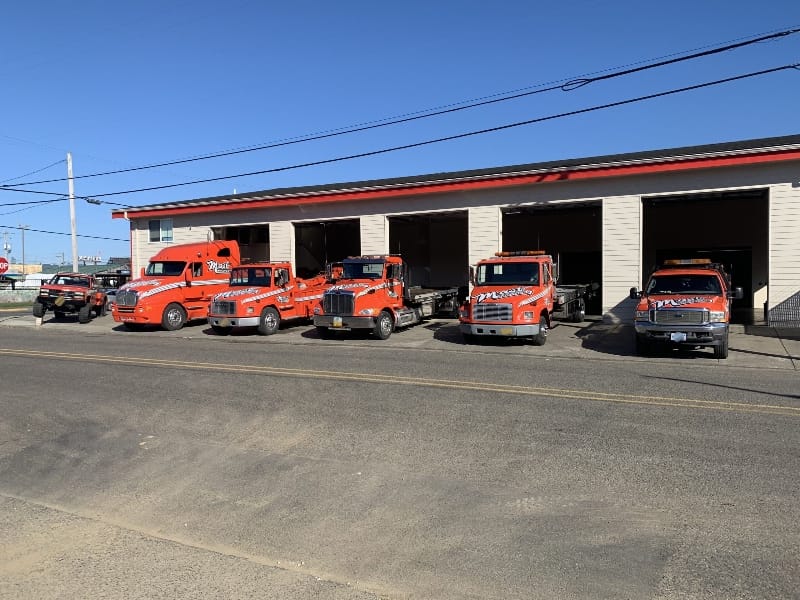
Mast Brothers Towing Gets Allegany Towing Done—Even in Confined Spaces
At Mast Brothers Towing, tight space recoveries are a regular part of our work. Allegany towing often means responding to underground calls where margins are thin and mistakes are costly. We take a calm, methodical approach that fits the space rather than forcing the space to fit the job.
Our team handles Allegany towing calls in garages, alleys, and low clearance structures with steady planning and clear communication. Each Allegany towing response starts with evaluating the surroundings and ends with a clean exit. Drivers trust us for Allegany towing because we respect their vehicles and the property around them. When people think about Allegany towing in difficult environments, they think of careful movement, controlled recovery, and results that leave no new damage behind.
FAQ
What makes vehicle recovery in parking garages different from roadside towing?
Parking garages restrict height, turning radius, and visibility. These limits change how a vehicle can be accessed and moved. Every step must account for fixed concrete surfaces and overhead obstacles.
Can a car be damaged during a low clearance recovery?
Yes, damage can occur if the vehicle is lifted at the wrong angle or moved too quickly. Body panels, exhaust components, and driveline parts are most at risk. Careful positioning and controlled movement reduce that risk.
Do underground garages affect how a vehicle is secured?
They do. Limited space changes where contact points can be placed and how tension is applied. Proper balance keeps the vehicle stable while it is moved through ramps and turns.
How do tight spaces affect vehicles with low ground clearance?
Low ground clearance increases the chance of scraping on transitions and slopes. Slow movement and level support help prevent contact with the floor or ramp edges.
Are electric or all wheel drive vehicles harder to recover in garages?
They require extra attention. Some drivetrains are sensitive to wheel movement or uneven loading. Following manufacturer guidelines helps avoid mechanical strain.
What should a driver do before help arrives in a confined space?
Leave the vehicle as it sits and avoid repositioning it. Clear personal items and note any nearby obstacles. This helps the recovery begin smoothly once help arrives.